
Hablamos Español!
Llama Ahora!

Most homeowners believe they’re diligent about outdoor furniture care. They regularly hose down their patio furniture, occasionally scrub away stubborn stains with mild soap, and cover their pieces during harsh weather. Yet despite these efforts, their outdoor furniture deteriorates faster than expected, requiring costly repairs or premature replacement.
The reality is that what most people forget about outdoor furniture care is the hidden, time-sensitive maintenance tasks that prevent expensive damage before it becomes visible. These overlooked steps—from proper drainage management to pest prevention in hidden crevices—make a huge difference between furniture that lasts decades and pieces that fail within just a few seasons.
While most outdoor furniture receives basic cleaning attention, the critical maintenance windows, hardware inspections, and material-specific timing requirements remain largely ignored. This comprehensive guide reveals the essential care tasks that even diligent homeowners typically miss, helping you protect your investment and avoid the daunting task of premature replacement.
One of the most costly mistakes in patio furniture care involves covering pieces before they air dry completely. After cleaning outdoor furniture with mild dish soap and warm water, or following a rainstorm, trapped moisture under furniture covers creates the perfect environment for mold, mildew, and rust formation.
Always allow your furniture to dry completely—typically 24 to 48 hours depending on humidity levels—before applying waterproof covers. This simple step prevents thousands of dollars in moisture damage that develops invisibly under protective coverings. For cushions and outdoor fabrics, ensure they’re thoroughly dry before storage to avoid mold and prevent fading.
Hardware failure represents one of the most overlooked aspects of outdoor furniture maintenance. Most people focus on cleaning surfaces while ignoring the bolts, screws, and joints that hold everything together. Monthly inspection of all hardware—particularly after storms or high winds—prevents catastrophic failure and injury.
Check for loose connections on chairs, tables, and umbrella mechanisms. Tighten bolts and screws using appropriate tools, but avoid over-tightening, which can strip threads or crack powder-coated surfaces. Replace any corroded or damaged hardware immediately rather than waiting for complete failure.
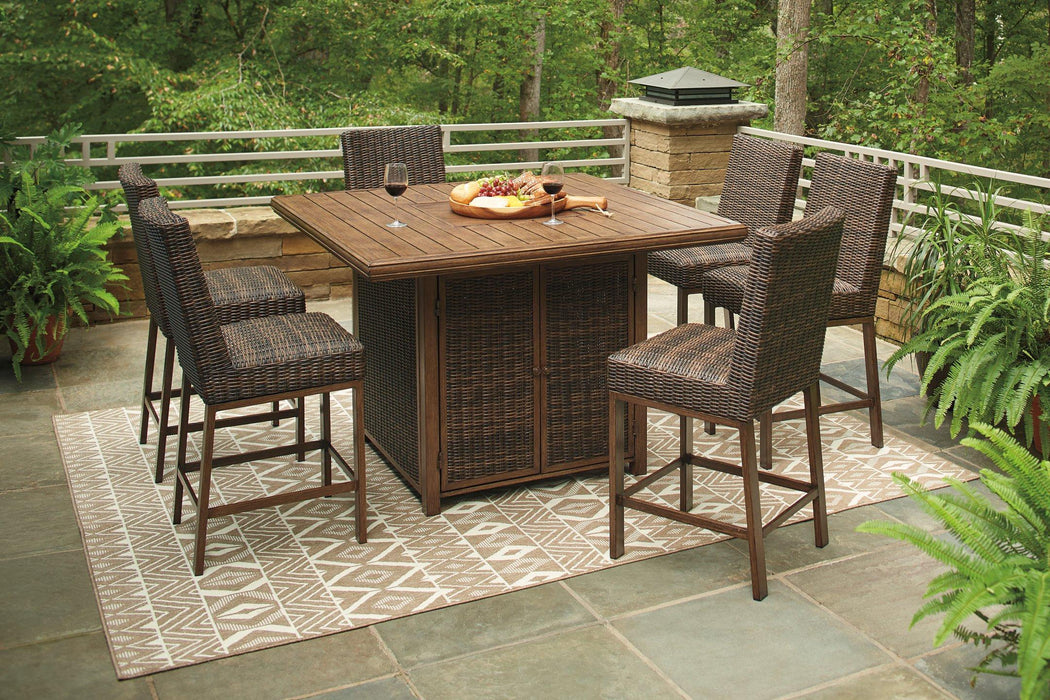
Metal furniture, particularly aluminum and steel pieces, features drainage holes designed to prevent water accumulation. However, these holes frequently become clogged with debris, loose dirt, and organic matter, defeating their purpose entirely.
Use a small brush or pipe cleaner to clear these drainage holes monthly. Blocked drainage can cause water to pool inside furniture frames, leading to internal corrosion and structural weakening that’s expensive to repair. This simple maintenance step extends the life of metal furniture significantly.
Many homeowners inadvertently void expensive furniture warranties by failing to follow manufacturer’s instructions for care and maintenance. High-quality outdoor furniture often comes with warranties requiring specific cleaning products, treatment schedules, and storage protocols.
Review warranty documentation for your pieces and create a maintenance schedule that meets these requirements. Document your care routine with photos and receipts to maintain warranty coverage. This attention to warranty compliance can save thousands in replacement costs if defects develop.
Hidden areas of outdoor furniture frequently become nesting sites for insects, spiders, and small animals. These pest deposits, if left undisturbed, can cause structural damage and create unsanitary conditions for your outdoor living space.
Monthly inspection of furniture undersides, joints, and crevices helps identify pest activity before it becomes established. Remove spider webs, egg sacs, and debris immediately. Pay special attention to resin wicker and woven materials where insects commonly deposit eggs between fibers.
Moving parts on outdoor furniture experience continuous stress from use and weather exposure. Umbrella mechanisms, in particular, contain complex pulley systems and springs that require regular attention to function properly and safely.
Inspect all moving parts monthly for signs of wear, corrosion, or binding. Test umbrella opening and closing mechanisms, chair reclining functions, and folding table legs. Document any irregularities and address them immediately before they lead to complete mechanical failure.
October represents the optimal window for lubricating all moving parts before winter weather arrives. Marine-grade lubricants provide superior protection against moisture and temperature extremes compared to standard household products.
Apply lubricant to umbrella mechanisms, hinge pins, reclining chair springs, and any other moving metal components. This annual treatment prevents corrosion during winter months and ensures smooth operation when you resume regular use in spring. Avoid petroleum-based products that can attract dirt and debris.
Proactive hardware replacement costs significantly less than emergency repairs or injury-related liability. Monitor bolts, screws, and fasteners for signs of corrosion, stripping, or stress cracking throughout the warmer months.
Maintain a supply of replacement hardware specific to your furniture pieces. Most manufacturers provide hardware kits or can supply individual components. Replace questionable hardware during your fall maintenance routine rather than waiting for spring when suppliers may have limited inventory.
Weather events stress outdoor furniture beyond normal use parameters. High winds create lateral forces that can loosen connections, while temperature fluctuations cause metal components to expand and contract, affecting joint tightness.
Perform a complete hardware inspection within 48 hours of any severe weather event. Pay particular attention to lightweight items that may have moved or shifted during storms. Retighten all connections and replace any damaged components before resuming normal use.
Reclining and folding mechanisms require proper tension adjustment to function safely and comfortably. Loose mechanisms can collapse unexpectedly, while over-tightened systems may bind or break under normal use.
Consult manufacturer’s instructions for proper tension adjustment procedures. Most mechanisms include adjustment screws or springs that can be fine-tuned for optimal performance. Make these adjustments during your fall maintenance routine when you have adequate time for careful work.
Effective water management prevents the majority of structural problems in metal furniture. Aluminum and steel frames rely on strategically placed drainage holes to prevent internal water accumulation that leads to corrosion and joint failure.

Inspect drainage holes monthly during active use seasons and clear any obstructions immediately. Use a garden hose to flush accumulated debris from internal cavities. This preventive maintenance costs nothing but prevents expensive structural repairs later.
Furniture positioning significantly affects water drainage and moisture exposure. Even well-designed pieces can accumulate standing water if positioned incorrectly relative to ground slope and overhead protection.
Position tables and chairs to encourage water runoff rather than pooling. Avoid placing furniture in natural depressions where water collects. Create slight slopes using furniture pads or shims when necessary to ensure proper drainage away from structural components.
Perfectly level table surfaces, while aesthetically pleasing, can trap water and promote mold growth. A slight angle—barely perceptible but sufficient for drainage—prevents standing water while maintaining functionality.
Use adjustable furniture glides or thin shims to create a subtle slope toward one edge of table surfaces. This minor modification prevents water accumulation in table joints and reduces the risk of warping in wood furniture or corrosion in metal pieces.
Many furniture designs feature hollow legs that can trap water indefinitely, creating hidden corrosion problems. Installing small drain plugs in the bottom of these legs provides an escape route for accumulated moisture.
Drill small holes in the lowest points of hollow legs and install rubber drain plugs available at marine supply stores. These plugs allow water drainage while preventing debris infiltration. This modification is particularly important for coastal environments with high humidity and salt exposure.
Umbrella bases frequently collect water that can’t escape, creating breeding grounds for mosquitoes and contributing to base deterioration. Many commercial bases lack adequate drainage despite being designed for outdoor use.
Ensure all umbrella bases have functional drainage holes or install them if absent. Consider adding drainage gravel to hollow bases to improve water flow. Clean drainage systems regularly to prevent clogging from debris and organic matter.
The hidden areas beneath outdoor furniture provide ideal nesting sites for various pests that can damage materials and create unsanitary conditions. Regular inspection prevents established infestations that become increasingly difficult to eliminate.
Use a flashlight to thoroughly examine furniture undersides, joint connections, and any enclosed spaces. Remove spider webs, wasp nests, and evidence of rodent activity immediately. Pay particular attention to areas where different materials meet, as these gaps often harbor pest activity.
Resin wicker and natural wicker furniture feature complex weaving patterns that trap debris and provide protected spaces for insect eggs. This accumulated matter can damage fibers and create pest breeding sites if not addressed regularly.
Use a soft-bristle brush to clean between wicker weaves monthly during active use periods. A vacuum cleaner with a brush attachment effectively removes loose dirt and debris from tight spaces. For stubborn accumulations, use a damp cloth with mild soap and water, ensuring the material can air dry completely afterward.

Bird droppings contain acids that permanently stain and damage many outdoor furniture materials if not removed promptly. The longer these deposits remain, the deeper they penetrate into porous surfaces like fabric and natural wood.
Remove bird droppings immediately using a plastic scraper to avoid scratching surfaces. Follow with mild soap and warm water, then rinse thoroughly. For outdoor cushions and fabrics, treat stains immediately to prevent permanent discoloration that requires professional restoration.
Storage areas for outdoor cushions often provide attractive nesting sites for mice and other small animals, particularly during colder months when outdoor spaces see less human activity.
Inspect storage containers, bins, and enclosed areas monthly for signs of rodent activity. Look for droppings, chewed materials, and nesting debris. Use pest-resistant storage containers with tight-fitting lids and consider adding rodent deterrents to storage areas during off-seasons.
Structural gaps in furniture frames provide protected nesting sites for wasps, bees, and other insects that can pose safety hazards and damage furniture components over time.
Identify gaps larger than 1/4 inch in furniture frames and seal them with appropriate materials—caulk for metal frames, wood filler for wooden pieces. This modification eliminates nesting sites while maintaining the furniture’s structural integrity and appearance.
Natural wood furniture, particularly teak pieces, requires precise timing for protective treatments to achieve maximum effectiveness. Early April represents the optimal window for applying wood oil treatments before spring weather patterns intensify.
Clean wood furniture thoroughly with mild soap and warm water, allow to dry completely, then apply teak or appropriate wood oil according to the manufacturer’s instructions. This timing allows the oil to penetrate and cure before exposure to heavy spring rains that can dilute or wash away protective treatments.
Powder-coated metal furniture requires proactive recoating rather than reactive repair. Waiting until you see paint chips or rust damage means the protective coating has already failed, allowing moisture to reach the base metal.
Schedule powder coating maintenance every 18 months regardless of visible condition. Clean the surface thoroughly, lightly sand any glossy areas, and apply appropriate topcoat products designed for powder coated surfaces. This preventive approach costs less than full refinishing later.
Synthetic wicker materials benefit from UV protection applied before peak sun exposure begins. March treatment allows protective products to cure properly before summer’s intense ultraviolet radiation begins degrading material fibers.
Clean resin wicker thoroughly, allow to dry completely, then apply UV protectant products specifically formulated for synthetic materials. This timing ensures maximum protection during the period of highest sun damage risk throughout the warmer months.
Leather outdoor cushions require intensive care during hot summer months when direct sunlight and high temperatures accelerate drying and cracking. Monthly conditioning prevents permanent damage that requires costly replacement.
Clean leather cushions with appropriate cleaners, then apply leather conditioner designed for outdoor use. Work conditioner into the material using a soft cloth, paying attention to seams and high-wear areas. Store leather cushions in shade when not in use to reduce UV damage.
Wrought iron and other ferrous metals require refinishing before winter weather arrives to prevent moisture-related corrosion during the most challenging environmental period.
Complete iron refinishing by early October, allowing adequate cure time before winter temperatures arrive. Sand existing rust with fine grit sandpaper, apply appropriate primer, and finish with rust resistant paint formulated for outdoor metal surfaces. This timing ensures protection throughout the winter months.

Temperature and humidity conditions significantly affect the success of wood treatments on outdoor wood furniture. Optimal application windows require stable weather patterns that allow proper curing.
Plan wood treatments during periods forecast to maintain temperatures between 60-80°F for at least 48 hours with low humidity. Avoid treating wood during temperature extremes or high humidity periods when products may not cure properly, reducing their protective effectiveness.
Successful metal refinishing depends on adequate drying time between preparation, priming, and finish coat applications. Moisture exposure during this process can cause adhesion failure and premature coating breakdown.
Schedule metal refinishing projects only when weather forecasts show at least three consecutive days without precipitation. This timing ensures proper adhesion and curing of all coating layers, maximizing the longevity of your refinishing investment.
Protective treatments for outdoor fabrics and cushions require specific environmental conditions to achieve maximum effectiveness. High humidity interferes with proper curing and can reduce treatment longevity significantly.
Apply fabric treatments only when the relative humidity measures below 50% and will remain low for at least 24 hours. Use a simple humidity meter to verify conditions before beginning treatment applications on outdoor cushions and fabric components.
Natural and synthetic wicker materials benefit from conditioning treatments applied before winter temperature extremes arrive. This timing allows protective products to penetrate properly before cold weather makes materials brittle.
Complete wicker conditioning by mid-October in most climates, allowing adequate cure time before freezing temperatures. Apply appropriate conditioners designed for your specific wicker material type, following manufacturer’s instructions for application and drying times.
Stackable outdoor chairs experience stress concentration points when stacked for extended storage periods. The weight of multiple chairs can cause structural damage to frames and joints over several months of storage.
Disassemble stackable chairs completely before long-term storage, keeping hardware in labeled bags attached to each chair frame. Store chair components flat or hanging to eliminate stress points that develop during stacked storage. This extra effort prevents expensive structural repairs come spring.
Glass table tops require individual protection during storage to prevent chips, cracks, and scratches that compromise both safety and appearance. Standard furniture covers don’t provide adequate protection for glass surfaces.
Wrap each glass top individually with moving blankets or furniture pads, securing with tape that won’t leave residue. Store glass tops vertically in protected areas where they won’t be struck by other stored items. Label clearly to prevent accidental damage during storage access.
Even thoroughly dried cushions can accumulate moisture during long-term storage, particularly in humid environments like basements and garages. Moisture absorbers prevent mold and mildew development during storage periods.
Place moisture-absorbing packets or containers inside sealed storage bins with cushions. Choose storage containers large enough to avoid compressing cushions, which can cause permanent shape deformation. Ventilated storage bins work better than completely sealed containers for air circulation.
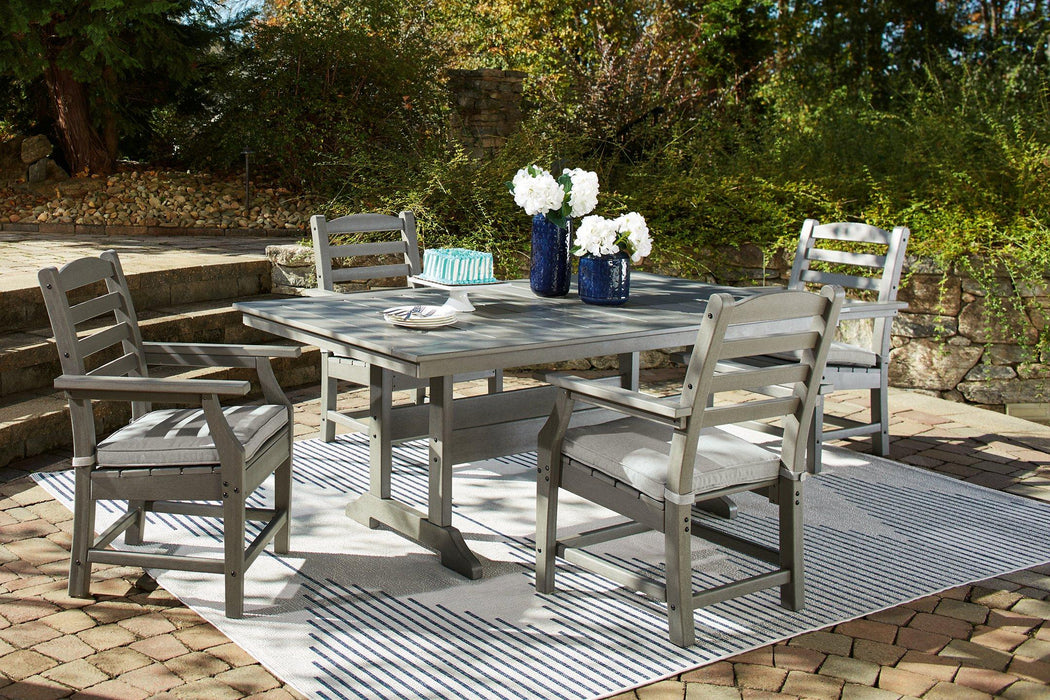
Complex outdoor furniture often requires hardware removal for proper storage. Without clear labeling, spring reassembly becomes a frustrating puzzle that may result in incorrectly assembled or unsafe furniture.
Create detailed labels for each hardware bag indicating which furniture piece and specific assembly location. Take photos of complex assemblies before disassembly to provide visual references for spring reassembly. Store all hardware bags in a master container to prevent loss.
Market umbrellas and complex shade structures often feature intricate folding mechanisms that can be difficult to reassemble correctly without visual references. Incorrect reassembly can damage mechanisms or create safety hazards.
Photograph umbrella mechanisms from multiple angles before folding for storage. Include close-up shots of any complex joint assemblies or cable routing. Store these photos digitally with clear file names that identify specific umbrella models for easy spring reference.
Coastal environments expose outdoor furniture to salt air that accelerates corrosion and material degradation beyond typical inland conditions. Standard maintenance schedules prove inadequate for coastal installations.
Increase cleaning frequency to weekly during peak salt air periods and monthly year round for metal furniture near coastlines. Use fresh water rinses to remove salt accumulation before it can cause pitting and corrosion. Apply marine-grade protective coatings that provide superior salt air resistance.
Pool chemicals, particularly chlorine, create aggressive environments that damage outdoor furniture materials faster than normal outdoor conditions. Standard maintenance schedules don’t account for chemical exposure effects.
Clean patio furniture weekly when positioned near swimming pools, using mild soap and plenty of water to remove chemical residues. Rinse furniture immediately after pool chemical treatments or shock applications. Consider relocating sensitive materials like natural wood furniture away from direct pool area exposure.
Furniture positioned near pools, white surfaces, or large windows receives amplified UV exposure from reflected light in addition to direct sunlight. This increased exposure accelerates fading and material degradation significantly.
Apply UV protectant treatments twice as frequently for furniture in high-reflection environments. Consider repositioning highly susceptible pieces like natural wood furniture and outdoor fabrics away from reflective surfaces during peak sun hours. Use high quality covers during periods of non-use.
Storage environments with high humidity require modified approaches to prevent moisture-related damage during off-season periods. Standard storage techniques may prove inadequate in humid conditions.
Use dehumidifiers in storage areas to maintain humidity below 50% when storing outdoor furniture components. Increase ventilation around stored items and avoid storing cushions in sealed containers in humid environments. Consider climate-controlled storage for valuable pieces in consistently humid areas.
Tree canopies provide welcome shade but create unique maintenance challenges through sap deposits, falling fruit, and increased pest activity. Standard cleaning routines don’t address these specific environmental factors.
Inspect furniture under trees weekly during the growing season for sap deposits, fallen fruit, and pest activity. Remove tree debris immediately to prevent staining and pest attraction. Consider protective covers during peak sap production periods and fruit drop seasons to minimize cleaning requirements.

Many people forget that outdoor furniture needs regular care to stay looking and performing its best. We know it’s easy to overlook simple maintenance, but neglecting it can lead to fading, rust, or weakened materials over time.
Regular cleaning, covering pieces when not in use, and treating materials for weather protection are key steps that are often skipped. Our team often reminds customers that even small routines can make a big difference in extending the life of outdoor furniture.
When you’re ready to keep your outdoor space beautiful and functional, we’re here to help. At Famsa Furniture, we offer durable, stylish outdoor furniture and guidance on proper care to ensure your investment lasts for years to come.
Understanding what most people forget about outdoor furniture care reveals why some pieces last decades while others require replacement within just a few seasons. The difference isn’t in the initial quality of the furniture—it’s in the comprehensive attention to hidden maintenance requirements that most homeowners never discover until damage has already occurred.
From hardware inspections and drainage management to precise seasonal timing and microclimate adjustments, successful outdoor furniture maintenance requires a systematic approach that goes far beyond basic cleaning routines. These overlooked details represent the difference between protecting your investment and facing expensive repairs or premature replacement.
The time investment in comprehensive outdoor furniture care pays dividends in extended furniture life, maintained appearance, and avoided replacement costs. Most importantly, proper attention to these forgotten aspects ensures your outdoor living space remains safe, comfortable, and attractive for years to come.
Start implementing these overlooked maintenance practices with your own backyard furniture this weekend. Choose one area—perhaps clearing drainage holes or inspecting hardware—and experience the difference that comprehensive care makes in protecting your outdoor furniture investment.
Delivery
Check what it costs to get this order to your door.