
Hablamos Español!
Llama Ahora!

When you have a small family of two to four people, choosing the right seating for your living room becomes a balancing act. You need furniture that delivers genuine comfort for daily life, holds up to spills and active kids, and still leaves enough floor space to move around freely. The challenge is finding pieces that work hard without making your living space feel cramped or cluttered. In a small space, clever design strategies are essential to maximize both functionality and visual openness, ensuring your compact living area feels comfortable and inviting.
This guide focuses specifically on selecting and arranging seating, sofas, chairs, ottomans, and benches, rather than general decor advice. Whether your family spends weeknight evenings watching TV together, hosts weekend movie nights with popcorn on the couch, or needs a spot for kids to do homework, the right seating arrangement makes all the difference. We’ll walk through how to pick the ideal sofa size for your room, add smart secondary seating options, and arrange everything so the entire room feels open, kid-friendly, and genuinely inviting for your whole family.
Before browsing furniture stores or scrolling through small living room ideas online, spend a full week observing how your family actually uses the living area. Real-life patterns reveal far more than assumptions about what you think you need.
Start by tracking activities throughout the week:
TV time vs. reading: Does everyone watch together, or does someone prefer a quiet corner?
Kids’ play space: Do children spread out on the floor or climb on furniture?
Remote work: Does anyone take video calls from the sofa?
Game nights: How often do you need extra seating for board games or cards?
Hosting: Do grandparents or friends visit regularly?
This checklist helps you distinguish between everyday seats and flexible guest seating.
Grab a piece of paper and create a simple top-down sketch of your room. Mark:
Door swings and entry points
Windows and natural light sources
Main traffic paths between doors
For clear walkways, aim for a minimum width of 90–100 cm along primary paths. This prevents bottlenecks, especially important in high-activity family environments where kids dart through the room.
A family of three typically benefits from four comfortable seats. This allows one extra spot for a visiting grandparent or friend without anyone feeling squeezed. For a family of four, consider five to six seats total, mixing permanent sofa spots with flexible options like petite stools or a storage ottoman that doubles as seating.
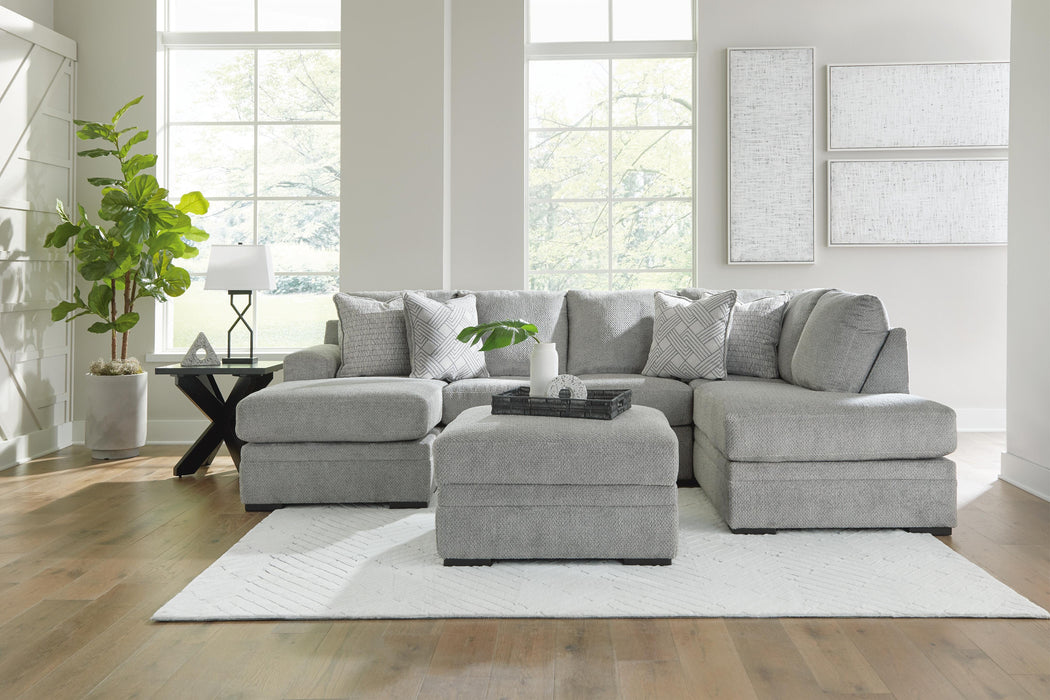
The sofa is your priority purchase; it anchors the furniture layout and sets the tone for the entire room. Small families usually choose between three main options:
A compact 3-seater sofa
A loveseat paired with a separate chair
A small L-shaped sectional
For a small room measuring around 3m × 4m, look for sofas approximately 180–220 cm wide. Anything larger risks overwhelming the space.
Seat depth matters just as much as width:
|
Activity |
Recommended Seat Depth |
|---|---|
|
Upright sitting (homework, conversations) |
50–60 cm |
|
Relaxed lounging (movie nights) |
60–70 cm |
|
Deep lounging |
70+ cm (often too large for compact rooms) |
Deeper seats beyond 70 cm can dominate a tiny space and make the room feel smaller than it is.
The details of your sofa affect how much square footage feels available:
Slim, tapered arms visually lighten the piece compared to chunky, squared-off arms that crowd narrow walls
Raised legs (10–15 cm high) expose more floor, enhancing airiness
Skirted or blocky bases ground the look, but can make small spaces feel cozier in ways that become claustrophobic
Designers swear by “leggy” sofas for compact living rooms because seeing the floor beneath furniture tricks the eye into perceiving more space.
Skip pure white or very light colors that show every mark. Instead, choose mid-tone colors in greys, taupes, or navy blues. For families with kids, look for:
Tightly woven polyester
Performance fabrics with stain-resistant treatments
Microfiber that’s easy to wipe clean
Quality performance fabrics can achieve durability ratings of 100,000+ abrasion cycles, meaning they’ll resist stains and wear for years of heavy use.
Have family members of different heights sit on potential sofas. Adults should be able to sit with feet flat on the floor and backs properly supported. Poor ergonomics lead to fatigue during extended family sessions, turning what should be comfortable seating into an expensive mistake.

Secondary seating, armchairs, lounge chairs, and occasional seats give your family room flexibility. These pieces accommodate guests, create spots for different activities, and let family members spread out when everyone needs personal space.
A single accent chair in a pattern or color that contrasts with your neutral sofa adds visual interest without overwhelming the living space. Position it at an angle near a window to preserve sightlines and take advantage of natural light.
This approach works better than trying to match everything perfectly. One standout piece creates a focal point while keeping the overall look cohesive.
Consider adding one comfortable lounge chair in a corner specifically for solo reading or quiet time. This becomes invaluable for parents after kids’ bedtime, a personal retreat within the shared family room.
Low-profile chairs under 80 cm high work especially well in small apartments because they don’t block windows or interrupt sightlines across the room.
Pairs of compact club chairs can work opposite a sofa to create a conversational square, but only if your space exceeds roughly 12 square meters. Position them 2–3 meters from other seats for comfortable talking distance.
Small armchairs or slipper chairs with slim profiles often outperform bulkier options. Research from interior designer evaluations shows swivel accent chairs score 20–30% higher in flexibility ratings than fixed alternatives, letting family members adjust viewing angles for TV or face different directions for conversation.
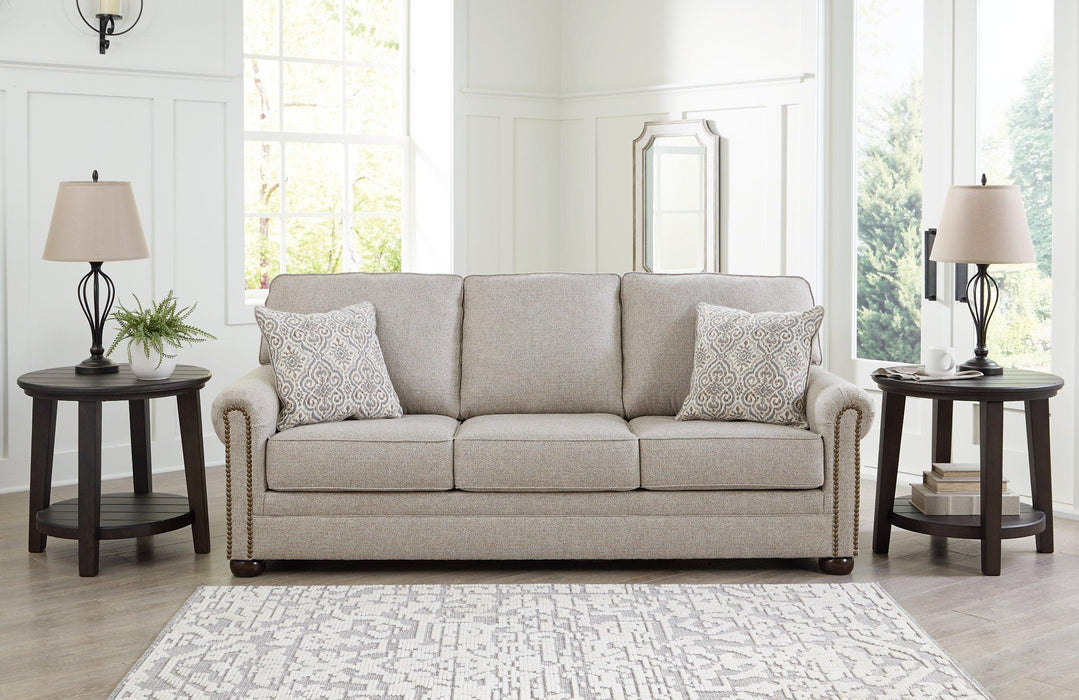
When you’re working with limited square footage, every furniture piece should earn its place by serving multiple roles. Multifunctional furniture is essential for small families who share the same space for play, TV viewing, homework, and entertaining.
A plush, upholstered ottoman (approximately 120–140 cm long and 40–50 cm high) offers advantages a traditional coffee table can’t match:
Footrest for tired parents after long days
Extra seat for two children during game nights
Soft play surface with rounded edges is safer for active kids
Table alternative when topped with a tray
Studies on child safety indicate that soft furnishings reduce accident rates by up to 40% in homes with young children compared to hard-edged alternatives.
A storage ottoman combines comfortable seating with hidden storage for toys, blankets, board games, and remote controls. Look for hinged-lid designs that open easily but stay secure when closed.
This dual-purpose approach eliminates the need for separate storage pieces, freeing up valuable floor space in your small living room.
A slim bench (100–150 cm long, about 40 cm deep) along a wall or under a window provides two extra seats without protruding into traffic paths. During gatherings, these become invaluable extra seating that disappears visually when not in use.
If your home has an open-plan living-dining area, consider a freestanding or built-in banquette. These can separate the living area from the dining area while providing casual seating that doubles as a reading nook when dressed with cushions.
Banquettes offer 20–30% more seating efficiency than standalone chairs, making them smart choices when every centimeter counts. Pair one with a dining table for additional functionality.

How you arrange seating matters as much as what you buy. The right furniture layout balances easy conversation with clear walkways from doors to the rest of your home. Avoid expensive mistakes by planning your arrangement before moving heavy furniture pieces.
Layout 1: Sofa + Angled Chair. Position your sofa facing the TV or focal point with one chair angled beside it. This works perfectly for a family of three plus one guest, keeping sight lines open while creating an intimate grouping.
Layout 2: Small L-Sectional + Ottoman A shallow L-shaped sectional (look for depths of 86–91 cm) maximizes seating while keeping the room’s center open. Place an ottoman opposite for flexibility.
Layout 3: Sofa + Two Chairs in a U Two chairs facing the sofa with a table between them creates a conversational U-shape. This works best in square rooms and outperforms wall-hugging arrangements by making spaces feel 10–15% larger.
Follow these practical measurements:
|
Elements |
Recommended Distance |
|---|---|
|
Sofa to coffee table/ottoman |
40–50 cm |
|
Chair to chair for conversation |
2–3 meters maximum |
|
Main traffic paths |
90–100 cm minimum |
Resist the urge to push all furniture flat against the walls. In square rooms, especially, “floating” the sofa slightly forward, even just 10–15 cm, with a narrow console or media consoles behind it, creates a designer-intentional look that actually makes the room appear larger.
Perceptual psychology studies confirm that floated arrangements improve perceived room size by 15–20% compared to wall-hugging layouts.
Use an area rug to anchor your seating group and define the living area within an open floor plan. Orient all main seats toward one focal point, whether that’s a TV wall, fireplace, or even gallery walls with framed photos.
This zoning technique helps small families mentally separate lounging space from dining room or kitchen areas, making the whole home feel more organized. Window treatments can further define boundaries while controlling natural light.
Lighting can make or break the atmosphere in a small living room, and floor lamps are a designer-approved way to brighten your space without sacrificing valuable floor space. In a small room, every piece of furniture needs to earn its keep, and floor lamps do just that by providing ample illumination while taking up minimal real estate. Opt for floor lamps with slim, streamlined profiles and adjustable arms; these let you direct light exactly where you need it, whether that’s over a reading nook or across the entire room for family gatherings.
Pairing floor lamps with table lamps creates layers of light, making your living room feel cozy and inviting at any time of day. While overhead lights can sometimes feel harsh, a well-placed floor lamp behind the sofa or next to a lounge chair adds warmth and ambiance, perfect for movie nights or quiet evenings. Choose styles that complement your existing furniture and decor, ensuring the lamp enhances rather than overwhelms your small living room.
Remember, the right lighting plan balances function and style. By thoughtfully incorporating floor lamps and table lamps, you can highlight your favorite furniture pieces, create clear walkways, and make your small living room feel spacious, comfortable, and ready for anything your family has planned.
Many small families include young children, pets, or both. These realities should drive your seating decisions rather than being afterthoughts.
Choose furniture with rounded edges on coffee tables, ottomans, and low side tables. Avoid sharp glass edges entirely in high-activity spaces where children play. Testing stability matters too; push potential purchases at about a 20-degree angle to ensure they won’t tip over when climbed on by curious toddlers.
Let’s be honest: spills happen, pet hair accumulates, and snack crumbs find their way into every crevice. Select fabrics strategically:
Darker neutrals or subtle patterns camouflage everyday messes 30–50% better than light solids
Microfiber wipes clean easily and resists staining
Performance fabrics with 50,000+ Martindale abrasion test ratings handle heavy family use
These fabrics resist stains from juice spills, marker accidents, and muddy paw prints, the unavoidable realities of daily life with kids and pets.
Removable cushion covers or slipcovers extend furniture life by 2–3 years according to durability studies. Look for machine-washable options that let you refresh your sofa after particularly messy weekends.
For throw pillows, choose covers with hidden zippers that can be removed and cleaned regularly.
Under your seating group, lay a low-pile rug that’s easy to vacuum. Indoor outdoor rugs work exceptionally well for family rooms; they’re designed to handle moisture and clean up quickly, often in under 10 minutes. Non-slip rubber backing prevents furniture from shifting and provides stability for wobbly toddlers.
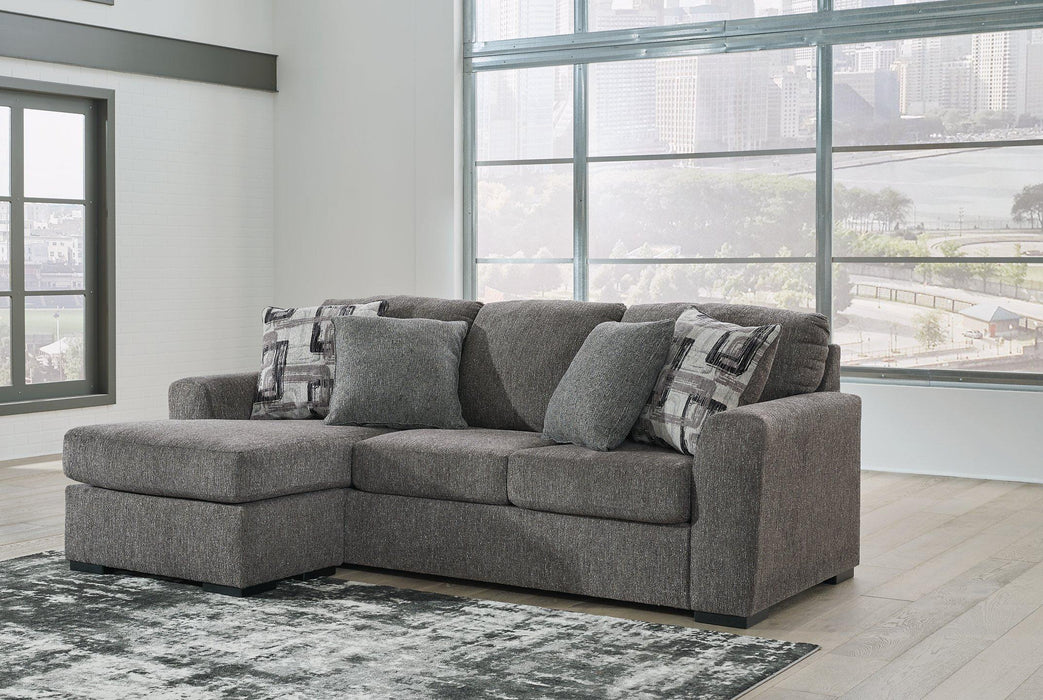
When square footage is at a premium, thinking vertically is one of the smartest small living room ideas you can use. Vertical storage solutions, like built-in bookshelves, tall storage units, or wall-mounted shelves, help keep your living room organized and clutter-free, freeing up precious floor space for seating and movement. These elements draw the eye upward, making the entire room feel taller and more open.
Multifunctional furniture is your best friend in a small living room. Consider a storage ottoman or a storage bench that doubles as a coffee table and provides extra seating when guests arrive. These pieces offer hidden storage for throw blankets, board games, or kids’ toys, keeping your living space tidy and functional. Wall-mounted shelves above the sofa or in unused corners can display books, framed photos, or decorative baskets, adding both storage and visual interest without crowding the room.
Look for furniture pieces that combine seating and storage, such as a sofa with built-in drawers or a compact desk with a hutch for the family room. By maximizing vertical space and choosing dual-purpose furniture, you’ll create a living room that feels larger, more organized, and perfectly suited to your family’s needs.
Color and texture keep a compact living room from feeling flat while maintaining the calm, cohesive atmosphere families need for everyday use. The key is layering thoughtfully rather than adding everything at once.
Choose a neutral main sofa as your foundation; it’s the largest furniture piece and should anchor without dominating. Then introduce personal style through:
Accent chairs in colors that can rotate as trends change
Throw pillows that update seasonally
Textured throws draped over sofa arms
This approach lets you refresh the look every 2–3 years without replacing major furniture pieces.
Combine 2–3 different textures to create visual interest:
Smooth faux leather on an end table or ottoman
Soft boucle on an accent chair
Woven cotton in throws and cushions
This variety adds richness without visual chaos, helping small rooms feel cozier and more intentional.
Limit your color scheme to 2–3 main colors plus one metal finish (brass, chrome, or black iron). This constraint prevents the look from becoming disjointed while still allowing personality to shine through.
Avoid pure white or stark white walls if possible, as they can make living room furniture look harsh. Soft whites or warm neutrals create backgrounds that feel more inviting.
Position accessories for actual use, not just decoration:
Floor lamps (150–170 cm high) behind the main sofa eliminate the need for overhead lights during evening relaxation
Table lamps beside a lounge chair create reading nooks
Baskets near seating hold blankets, kids’ books, or remote controls
Built-in bookshelves nearby can house both storage solutions and display items, maximizing vertical space while keeping necessities within reach. Even small additions like an end table beside each seat make daily life more comfortable.
Creating a stylish and functional small living room doesn’t have to mean spending a fortune. With a little creativity, you can find smart seating solutions that fit your budget and your personal style. Start by exploring second-hand shops or online marketplaces for gently used furniture pieces, vintage armchairs, compact sofas, or petite stools that can often be refreshed with new upholstery or a coat of paint to match your living space.
Affordable options like bean bag chairs, poufs, or simple ottomans can provide extra seating for game nights or movie marathons without taking up much room or cash. Repurposing what you already own is another budget-friendly strategy: a sturdy storage bench can double as a coffee table and offer extra seating, while a small dining chair can serve as a side chair in the living room when needed.
No matter your budget, always measure your room and plan your furniture layout to maintain clear walkways and avoid overcrowding. Focus on versatile, smaller furniture that can be moved around as your needs change. By mixing thrifted finds, multifunctional pieces, and a dash of DIY, you can create a welcoming living room that reflects your personal style and makes the most of every inch of space.
Families of two often become three or four. Children grow from toddlers into teenagers with different needs. Your seating should evolve without requiring the complete replacement of your living room set.
Modular sofas and sectionals offer the flexibility growing families need:
Start with a 2-piece configuration for a couple
Add a chaise section when children arrive
Reconfigure completely when kids need more seating
This approach cuts replacement costs by 40–60% over a decade compared to buying entirely new furniture each time the family needs to change.
Small armchairs, swivel chairs (under 20 kg), and petite stools can move between the living room, dining area, and children’s rooms as needs shift. This flexibility means secondary seating serves the family across different phases rather than becoming obsolete.
Invest in quality, neutral main pieces built to last. Then update the look affordably through:
New cushion covers every few years
Refreshed throws and accent textiles
Different small accent chairs as personal style evolves
Average living room sizes have decreased about 10% since 2000, according to housing data, making this flexible approach increasingly necessary for urban families.
Flexible, durable seating choices make it easier to keep your living space comfortable and welcoming through every family phase. Rather than viewing furniture as permanent installations, think of your main sofa as the constant while everything else adapts to your family’s journey.
Start by observing how your family actually uses the space this week. Create that simple floor sketch. Measure your seating needs against your available square footage. Then choose pieces that will serve not just who your family is today, but who you’re becoming tomorrow.
Upgrade your home with living room furniture at FAMSA Furniture today and create a space that’s comfortable, functional, and ready for everyday living. From sofas and sectionals to recliners and complete living room sets, you can find pieces designed to match your style while maximizing comfort. FAMSA Furniture offers a variety of options that make it easy to build a living room perfect for relaxing, entertaining, and spending time with family.
Now is the perfect time to refresh your space and improve how your living room looks and feels. Shop living room furniture at FAMSA Furniture now and create a welcoming environment where comfort, style, and functionality come together for your home.
Delivery
Check what it costs to get this order to your door.