
Hablamos Español!
Llama Ahora!

Your patio, deck, or balcony has the potential to become your favorite room in the house, but only if you furnish it with intention. The difference between an outdoor space that collects dust and one where you spend every available evening comes down to specific choices about comfort, materials, and layout that match how you actually live.
The 2026 outdoor living trend points toward decks and patios functioning as true second living rooms from March through October in most U.S. regions. Outdoor furniture sales have surged 15-20% annually since 2020, as homeowners invest in creating personal oases rather than settling for basic plastic chairs dragged out twice a summer. This shift reflects a simple truth: when outdoor furniture is comfortable, durable, and low maintenance, you’ll use it on weekday mornings with your coffee, after-work evenings to decompress, and weekend gatherings with guests.
This guide walks through use, comfort, materials, layout, climate, and maintenance so you can create an outdoor space you’ll actually inhabit, not just admire through the window.
When it comes to transforming your patio, porch, or backyard into a true extension of your home, choosing the right outdoor furniture is essential. With so many options available, it’s easy to feel overwhelmed by the choices in style, materials, and price points. The best outdoor furniture does more than just look good; it creates a comfortable, functional seating area that invites you to spend more time outside, whether you’re relaxing solo or entertaining guests. As you start thinking about your outdoor space, consider how you want to use it, your budget, and the level of durability you need for your environment. From cozy lounge sets to spacious dining arrangements, the right furniture can help you create a welcoming atmosphere that reflects your personal style and stands up to the elements. In this guide, we’ll walk you through everything you need to know to make smart, stylish choices for your outdoor space.
Before you shop for a single chair, get specific about what you want to do outside. Furniture must be chosen around actual activities, morning coffee rituals, reading, remote work sessions, family dinners, kids doing homework, or entertaining friends, to truly encourage more time outdoors. Generic patio furniture setups rarely match anyone’s real life, which is why so many decks sit empty.
Start by picking one or two primary purposes for your space: an outdoor dining zone for regular meals, a lounge or conversation area for relaxing, a quiet retreat for solo reading, or a multiuse family hangout. Your answer shapes everything from the style of seating to how much space you dedicate to a dining table versus a comfortable outdoor sofa.
Consider concrete scenarios. A family that hosts Sunday dinners needs a dining table with four chairs or more, plus seating that’s comfortable enough for guests to linger over dessert. A couple that reads outside every evening needs two deep lounge chairs, perhaps with a shared ottoman and a side table for drinks. A remote worker craving fresh air needs a laptop-friendly table at the right height, shade coverage, and a sturdy chair with proper back support.
Think about how many people typically use your outdoor space on a normal weeknight compared with occasional parties. If four people eat dinner on your porch five nights a week but you host twelve guests twice a summer, prioritize everyday use over rare events. You can always add lightweight folding chairs or floor cushions for overflow seating when needed, but your primary furniture should serve your daily rhythms.

The right materials reduce hassle and weather damage, keeping your outdoor space inviting and ready to use on short notice. When furniture requires constant covering, cleaning, or repair, you’ll avoid going outside altogether. Match your materials to your specific climate, and you remove the friction between you and your porch. Synthetic wicker and powder-coated steel are good options for durability and low maintenance, making them ideal choices for many outdoor spaces.
Hot and Dry Climates (Southwest Heat)
In Arizona, Nevada, or similar regions, sun exposure and UV damage are your main concerns. Recommend teak or eucalyptus hardwoods, which handle intense sun without cracking or fading dramatically. Powder-coated aluminum furniture stays rust-resistant and won’t absorb heat the way dark steel can. Aluminum is generally considered the lowest maintenance material for outdoor furniture. Avoid dark-colored metal seating without thick cushions; it becomes painfully hot in direct July sun. Performance fabrics with UV resistance, like Sunbrella fabric, prevent fading even after thousands of hours of exposure.
Humid and Rainy Climates (Southeast, Pacific Northwest)
In wet climates like Florida or Oregon, mildew and moisture are constant battles. All-weather wicker made from synthetic resin wicker resists rot and mold far better than natural materials. Synthetic wicker sourced from recycled materials is durable and resists wear over time. HDPE poly lumber and resin wicker furniture drains quickly and won’t harbor mildew. Look for quick-dry foam cushions with removable, washable covers rated for mildew resistance. Teak naturally resists moisture and develops a silvery patina over time without rotting, making it a solid choice if you want real wood. Teak is non-porous and has natural oils that help protect it from moisture, insects, and rot.
Four-Season Climates With Snow (Midwest, Northeast)
If you store furniture or cover it through harsh winters, weight and storage matter. Lightweight aluminum furniture moves easily into a garage or shed. Pieces that stack or fold simplify seasonal transitions. Synthetic wicker holds up better than natural wicker through freeze-thaw cycles. Steel frames need powder-coating to prevent rust when exposed to rain, snow, and salt used on nearby walkways. Teak, aluminum, and powder-coated steel tend to offer the best longevity for outdoor furniture.
Coastal Climates With Salt Air
Salty air accelerates corrosion on metal and degrades certain finishes quickly. Cast aluminum and powder-coated aluminum resist salt damage better than untreated steel. Teak, HDPE, and high-quality synthetic wicker handle coastal exposure well. Avoid wrought iron unless you’re prepared for regular maintenance to combat rust.
Material Tradeoffs Worth Knowing
Different materials bring different trade-offs. Metal furniture can get hot to the touch in direct sunlight. Pair it with cushions or choose lighter colors. Wood like teak offers organic warmth but weighs more than aluminum. Lightweight pieces may blow over in strong winds, so anchor them or choose heavier options if you’re on an exposed balcony or deck. Slick plastic surfaces can feel cold in cooler weather. High-density polyethylene (HDPE) is a long-lasting and sustainable material for patio furniture.
Picking low-maintenance, weather-resistant materials means furniture is always ready to go. You won’t hesitate to sit outside because the chairs need wiping down or the cushions smell musty. That “always ready” quality directly encourages spontaneous time outdoors, the weeknight glass of wine, the Saturday morning stretch, the impromptu afternoon reading session.
Discomfort sends people back indoors faster than anything else. If your outdoor seating feels like sitting on a park bench, you’ll last twenty minutes before retreating to the couch. Ergonomic seating and soft surfaces are non-negotiable for long outdoor evenings; they transform a patio from a place you visit into a place you stay.
Pay attention to specific comfort details that make a difference. Seat depth should run around 18-22 inches for lounge seating, allowing you to sit back fully without your feet dangling or your knees hitting the edge. Back angles should allow a relaxed posture, slightly reclined rather than rigidly upright. Supportive armrests let you rest a book or a drink without awkward reaching.
Thick cushions with quick-dry foam cores are worth the investment. Look for cushions rated for outdoor use, with removable and washable covers in breathable fabrics suitable for warm days in the 80-90°F range. Sunbrella fabric and similar performance textiles resist fading, repel water, and dry quickly after rain. Research shows that varied textures, such as a mix of smooth cushions, textured pillows, and soft throws, increase perceived coziness by about 25% in outdoor settings.
Consider adding pieces that encourage specific types of lounging: an ottoman for putting your feet up while reading, a chaise lounge for afternoon naps, or reclining chairs for star-watching after dark. These aren’t luxuries; they’re the elements that keep you outside for hours instead of minutes.
Shade matters as much as seating. Without coverage from umbrellas, pergolas, shade sails, or a covered porch, midday use becomes uncomfortable or impossible from May through September. Shade extends your usable hours dramatically, turning your outdoor space into an all-day destination rather than an evening-only retreat.

Accurately measuring your patio, balcony, or yard prevents the crowded, cluttered feeling that makes people avoid outdoor spaces. A well-planned layout creates room to move through and linger in, inviting you to stay rather than squeeze past furniture to reach your chair.
Start by measuring length and width in feet. Note door swings, steps, railings, and pathways to grills, garden areas, or other yard features. Sketch these on paper or use free online planning tools to visualize how much space you actually have to work with. This prevents the common mistake of buying pieces that technically fit but leave no room for comfortable movement.
Leave at least 30-36 inches for walkways behind chairs and between main pieces. This clearance lets guests move easily without bumping into furniture or asking others to stand up. When arranging seating, think in “zones”: a dining zone, a lounging zone, a reading nook, rather than scattering random pieces across the space. Research suggests that properly planned outdoor areas increase usability by up to 40%, measured by how much time homeowners actually spend outside.
Standard Patios and Decks
For a typical 12x16-foot deck, you have room for either a dining table with four chairs or a conversation set with an outdoor sofa, two chairs, and a coffee table, but probably not both at full scale. Decide which activity takes priority, then fill the remaining space with accent pieces like a side table or small planter.
Small Balconies
City balconies demand creativity. Narrow bistro sets work well for coffee and breakfast without overwhelming limited square footage. Wall-mounted fold-down tables provide surface space when needed and disappear when you want floor room. Slim benches along railings and armless chairs save inches. Look for furniture that serves double duty, like storage benches that hold cushions or planters while providing seating.
Larger Decks and Yards
Bigger spaces benefit from multiple distinct zones, a dining area near the house for easy food transport, a lounging area farther out for privacy, perhaps a fire pit circle for evening gatherings. Use outdoor rugs to define these zones visually. L-shaped sectional sofas work well for anchoring conversation areas in expansive spaces.

Every outdoor space has its own personality, and the right outdoor furniture can help you make the most of it, whether you’re working with a petite balcony, a sprawling deck, or a lush garden. Start by considering the unique features and challenges of your space. For balconies and smaller patios, lightweight options like aluminum furniture or synthetic resin wicker are ideal. These materials are not only easy to move and rearrange, but they also stand up well to strong winds and salty air, making them perfect for high-rise living or coastal environments.
If you have a larger deck or garden, you can expand your options to include more substantial pieces such as teak dining tables, all-weather wicker outdoor sofas, and classic wood chairs. These durable materials are built to last and can handle frequent use by family and guests. To create a welcoming seating area, layer in an outdoor rug to define the space and add a touch of softness underfoot. Think about how you’ll use your outdoor space. Do you need a cozy nook for morning coffee, a dining area for weekend brunches, or a lounge zone for relaxing with friends? Measure carefully to ensure your furniture fits comfortably, leaving enough room to move around and enjoy the outdoors without feeling cramped.
No matter the size or style of your outdoor area, choosing the right materials and arranging your furniture thoughtfully will help you create an inviting environment that draws you outside day after day.
The best patio furniture adapts to your lifestyle, making your outdoor space as versatile as your indoor living room. Flexibility is key; look for modular pieces that can be rearranged to suit everything from quiet mornings to lively gatherings. A sectional outdoor sofa with thick cushions and Sunbrella fabric, for example, can be configured for intimate lounging or expanded to seat a crowd for outdoor dining. Resin wicker and cast aluminum are excellent choices for wet climates, as they’re weather-resistant and easy to maintain, even after a sudden rain shower or in the face of strong winds.
Multi-use furniture is a smart investment for any patio. Ottomans and benches with built-in storage keep cushions, pillows, and throws close at hand but out of sight, helping your space stay tidy and ready for guests. When you want to switch from dining to relaxing, simply rearrange your seating area. Modular pieces make it easy to create the perfect setup for any occasion. Don’t forget to add layers of comfort with weather-resistant pillows and cozy throws, making your patio feel just as inviting as your favorite spot indoors.
When shopping for patio furniture, consider your budget and how much time you plan to spend outdoors. Investing in quality, flexible pieces means you’ll get more use out of your space, whether you’re hosting a summer barbecue, enjoying a quiet evening under the stars, or simply soaking up the warm weather. With the right mix of materials, seating, and storage, your patio will become a true extension of your home, ready for relaxing, dining, and making memories all season long.
Protecting furniture from sun, rain, and snow keeps it inviting year after year and reduces the “ugh” factor that prevents you from going outside. When you know your cushions are clean and your chairs won’t wobble, stepping onto the patio feels effortless rather than like a maintenance chore.
Spring Setup
Before warmer weather arrives, pull furniture out of storage and give it a thorough wipe-down with mild soap and water. Check joints and hardware for looseness. Replace any cushions that didn’t survive winter or developed mildew. Arrange your layout for the season’s primary use, whether that’s family dining or solo relaxation.
Mid-Season Maintenance
During peak season, adopt a simple cleaning rhythm. A monthly mild soap scrub keeps surfaces fresh. After pollen-heavy weeks in spring, a quick wipe prevents yellow buildup. Store cushions in a deck box during extended rain or when you’re away for a week. Using furniture covers for occasional storms protects frames and fabrics without requiring you to haul everything indoors.
Fall Close-Down
Before winter, deep-clean all pieces. Store cushions indoors or in waterproof storage to prevent mildew during wet months. Cover or move frames into a garage or shed if possible. For pieces staying outside year-round, invest in quality covers sized to your furniture. Stack or fold lightweight aluminum furniture for compact storage.
Flexibility and Longevity
Lighter, movable furniture lets you reconfigure for different activities, solo reading one evening, family game night the next, and a group cookout on weekends. This flexibility makes the space more attractive to use often because it adapts to your mood and needs.
Quality outdoor furniture lasts a decade or more with proper care. Materials like teak and cast aluminum can last 15-20 years when maintained. Even durable materials degrade 15-20% faster under extreme conditions, so covers and seasonal storage extend your investment significantly. The maintenance choices you make now determine whether your furniture still feels inviting in five years.
Aesthetics matter more than you might think. A space that feels like a natural extension of your living room invites you to linger outside after dinner instead of heading back indoors to the couch. When your patio looks cohesive and intentional, you’re drawn to spend time there.
Choose a clear style direction so furniture, rugs, and accessories work together. Modern and minimal means clean lines, neutral colors, and metal-wood hybrids. Coastal and airy features whites, blues, and weather-bleached textures. Rustic and wood-heavy emphasize natural tones with substantial teak or acacia pieces. Colorful and eclectic mixes patterns and bright cushions for visual energy. There are so many options that focusing on one direction prevents the scattered look that makes outdoor spaces feel unfinished.
“Linger longer” add-ons make the difference between a furniture arrangement and an outdoor room. An outdoor rug defines your seating area and adds softness underfoot. Side tables hold drinks, books, and phones within arm’s reach. Soft throw blankets handle cool evenings without sending you inside for a sweater. Lanterns or string lights create an ambiance that extends your usable hours past sunset. Planters with herbs or flowers add sensory appeal, and the smell of basil or lavender gives you a reason to stay.
Use a consistent color palette that ties to your interior. If your living room features navy and natural wood tones, repeat those colors outdoors. This seamless transition makes the patio feel like part of your home rather than a separate, less comfortable space.
Add elements that support specific habits, keeping you outside. A small outdoor cart holds board games for family evenings. A weather-resistant storage bench stashes kids’ toys so they play outside more often. A laptop-friendly table at the proper height makes work-from-home days on the porch realistic.
When you dial in use, comfort, materials, and style together, outdoor furniture becomes a daily invitation. You stop thinking of your patio as something to maintain and start seeing it as somewhere to be, on ordinary Tuesday evenings, during your morning coffee, and whenever you need a few minutes of fresh air.
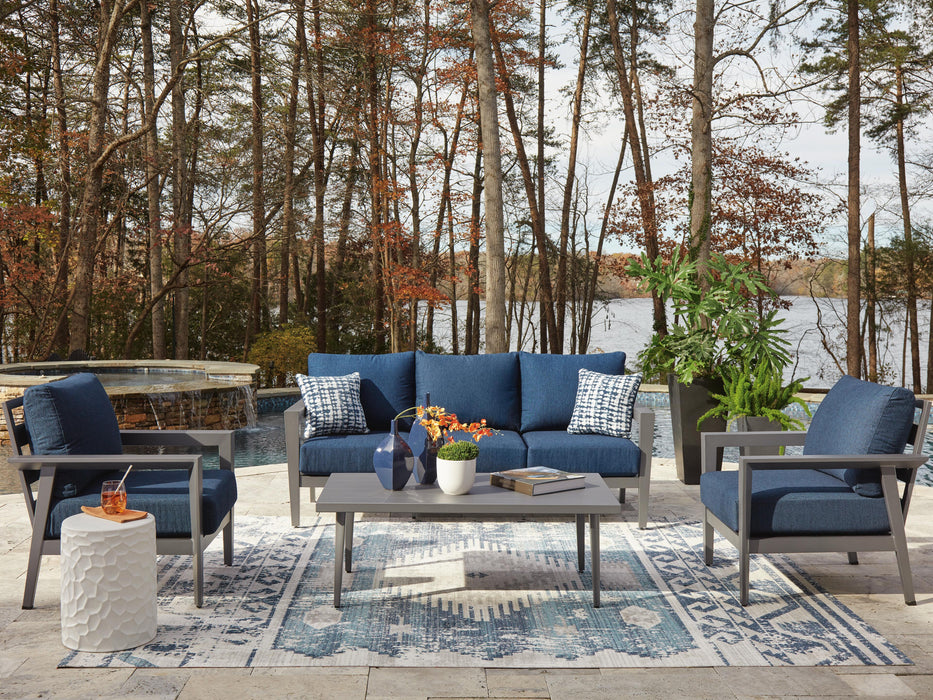
Finding the perfect balance between budget and quality is key when shopping for outdoor furniture. While it might be tempting to go for the lowest price, investing in durable materials like synthetic resin wicker, aluminum furniture, or teak can save you money and hassle in the long run. These materials are great examples of weather-resistant options that can handle sun, rain, and changing temperatures with minimal maintenance. Look for features like thick cushions, Sunbrella fabric, and rust-resistant frames to ensure your furniture stays comfortable and attractive season after season. Remember, the true value of outdoor furniture comes from how often you use it and how well it holds up over time, not just the initial price tag. By choosing high-quality, low-maintenance pieces, you’ll enjoy your outdoor space more and spend less time on upkeep, making your investment worthwhile for years to come.
Creating an outdoor space that’s both inviting and practical means thinking beyond just looks. Start by considering your local climate and environment. If you live in a wet climate, opt for waterproof materials and always store cushions when not in use to prevent mildew. For areas prone to strong winds, choose sturdy furniture with a low center of gravity to keep everything in place. When planning your seating, think about how many guests you typically host. A dining table with four chairs is perfect for family meals, while a sofa paired with two chairs and a side table creates a cozy spot for relaxing or entertaining. Don’t forget to add finishing touches like pillows and outdoor rugs to make the space feel warm and welcoming. By selecting the right materials, arranging your furniture thoughtfully, and adding a few decorative elements, you’ll create an outdoor environment that’s perfect for dining, lounging, and making the most of every sunny day.
This section answers the concrete questions most people have before making a purchase, helping you move confidently from planning to shopping.
How long should good outdoor furniture last if I use it from April to October each year?
Quality pieces made from durable materials like teak, cast aluminum, or high-density polyethylene typically last 10-15 years with basic care. Cover frames during winter or store them in a garage, bring cushions indoors during the off-season, and clean everything once or twice a season. Cheaper materials may show wear after 3-5 years, making the upfront investment in better options worthwhile for year-round enjoyment.
Can I leave cushions outside during summer storms?
Quick-dry foam cushions with performance fabric covers can handle occasional rain, but storing them in a deck box during heavy storms extends their life significantly. If cushions get soaked, stand them on edge to drain and dry in the sun. For extended rainy periods or when you’re traveling, bring cushions indoors or use a covered storage solution to prevent mildew in humid conditions.
What’s a good low-maintenance material if I don’t want to spend weekends cleaning?
Powder-coated aluminum furniture and synthetic resin wicker are among the best price-to-effort options. They resist rust, don’t require sealing or oiling, and clean easily with soap and water. HDPE poly lumber is another great example; it looks like wood but needs no staining and won’t rot. Pair these frames with Sunbrella fabric cushions for a nearly maintenance-free setup.
What works best on a very small balcony without feeling cramped?
Focus on narrow bistro sets with two chairs and a small round table. Choose armless chairs to save inches and consider wall-mounted or fold-down surfaces for extra flexibility. Vertical planters and railing-mounted tables maximize floor space. Avoid bulky pieces with wide arms or deep seats; sleek, slim profiles make small balconies feel open rather than cluttered.
How many pieces do I really need to start using my outdoor space this season?
You can create a functional seating area with surprisingly few pieces. Two comfortable chairs and a side table create a relaxing retreat. A small dining table with four chairs handles family meals. A single outdoor sofa with an ottoman serves multiple purposes. Start with the minimum for your primary activity, then add pieces as you discover how you actually use the space. Buying too much furniture up front often leads to crowded layouts that discourage use.
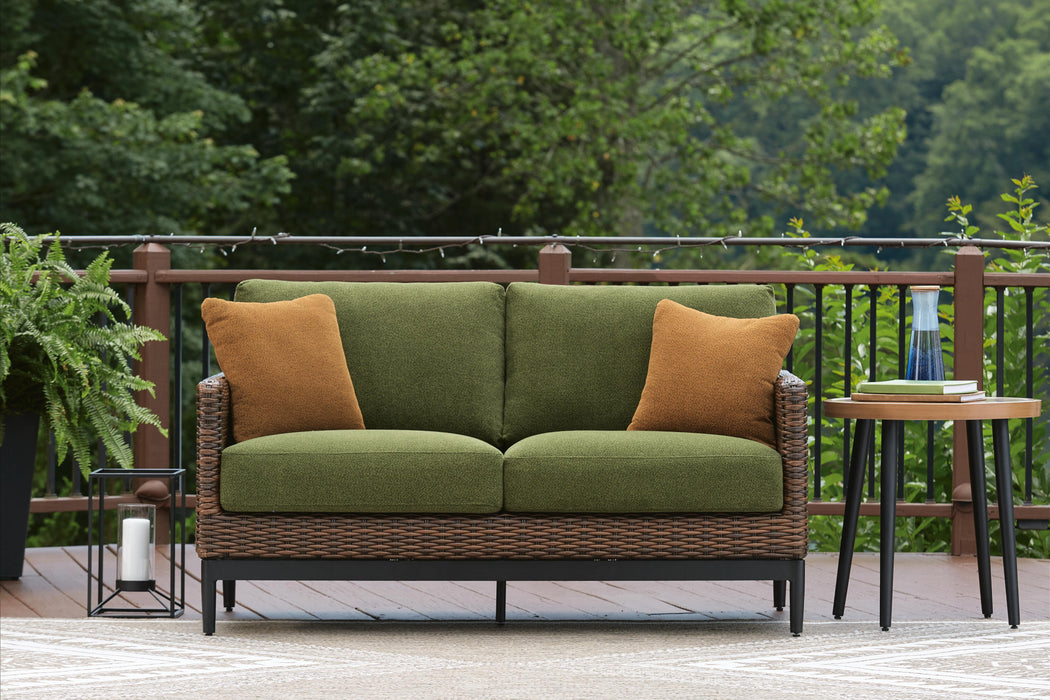
Your outdoor space should be a place where comfort, style, and everyday living come together. At FAMSA Furniture, our outdoor furniture collection features seating, dining sets, and lounge pieces designed for durability and outdoor enjoyment. Each piece is selected for comfort, lasting quality, and effortless style to help you create a welcoming outdoor area.
Explore our outdoor furniture selection today and find the perfect pieces for your patio, deck, or backyard. Whether you’re relaxing with family or hosting friends, FAMSA Furniture offers outdoor furniture that combines practicality, comfort, and style.
Delivery
Check what it costs to get this order to your door.