
Hablamos Español!
Llama Ahora!
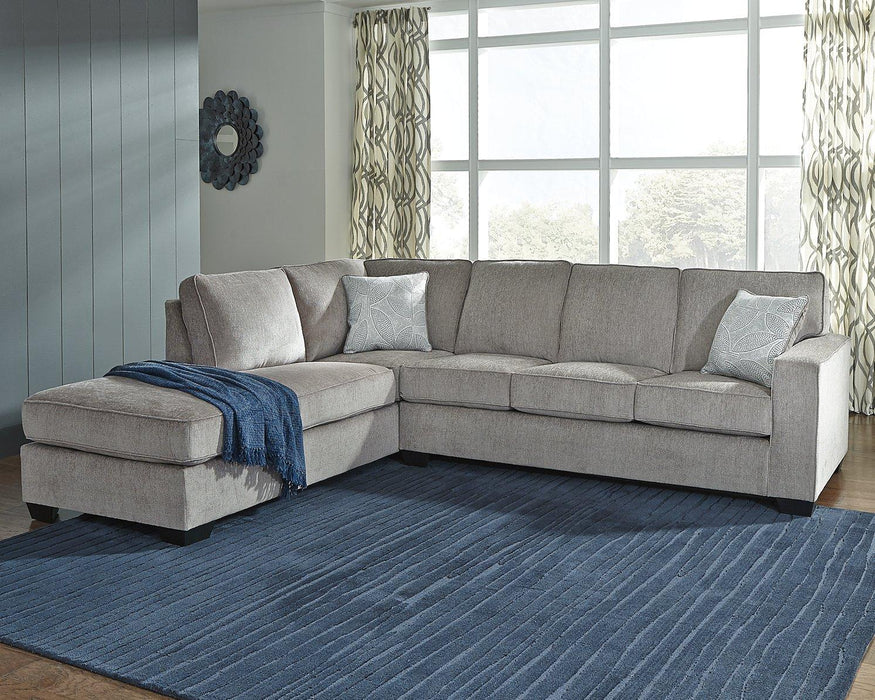
In 2026, most living rooms have to handle TV time, home working, and hosting, often all in the same week. Balanced furniture sizes are the fastest way to make these multi-purpose spaces feel calm and functional. When the proportions between your sofa, rug, coffee table, and wall lengths work together, you immediately improve comfort, flow, and style without a complete renovation.
The idea of “visual weight” and scale matters more than most people realize. How big or heavy something looks compared with the room and the items around it can make the difference between a space that feels cluttered and one that feels inviting. Arranging furniture is much like following a course or balancing a scale; each piece must be thoughtfully placed to achieve harmony and visual balance in the room. This article will show you how to size and place key pieces, sofas, rugs, coffee tables, armchairs, and storage, so they feel in proportion, not cramped or lost. We’re focused on practical, real-home solutions rather than showrooms, because your living room needs to work for actual life.

A balanced space contains pieces that match the room’s length, width, ceiling height, and one another in a clear hierarchy: large, medium, small. Think of it like a conversation where everyone gets a turn to speak, rather than one person dominating.
Scale describes how the size of a sofa, table, or chair relates to the overall room size. For example, a 320 cm sectional against a 360 cm wall span feels oversized and leaves no breathing room for a side table or lamp. The furnishings overwhelm the walls rather than complementing them.
Proportion, on the other hand, describes how pieces relate to each other. A 260 cm sofa paired with a 130–170 cm coffee table and a 200–230 cm rug in front creates visual harmony. Each piece supports the next without competing for attention.
Here’s a concrete example for a typical 4 m x 5 m living room:
|
Piece |
Recommended Size Range |
|---|---|
|
Sofa |
220–260 cm wide |
|
Rug depth |
140–160 cm |
|
Coffee table |
120–140 cm long |
You don’t need exact math or a degree in interior design. The process is simpler than it sounds: aim to avoid extremes. Furniture that is either pressed against the walls or floating too small in the middle will throw off the whole room.
Creating a mirror image arrangement, where one side of the room reflects the other, can help achieve symmetry, order, and visual harmony. This approach uses paired items or furniture layouts that act as direct opposites, reinforcing a sense of balance in the living room.
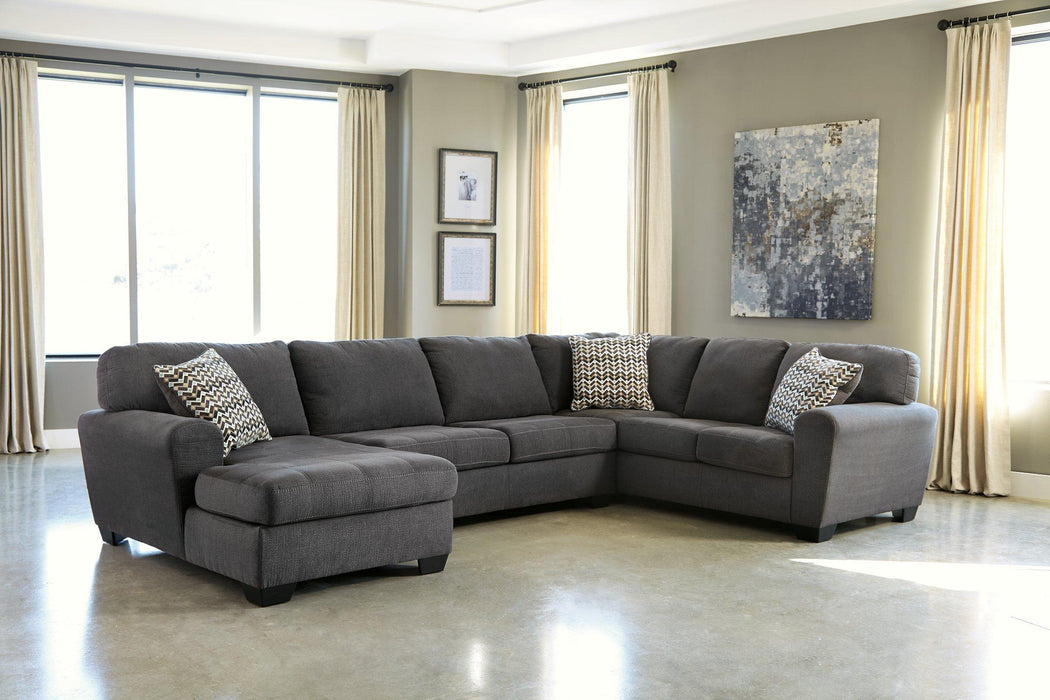
The first thing people feel in an unbalanced room is awkward movement. You bump into corners, squeeze between pieces, or find yourself shouting across a too-wide gap during conversation. When the balance is off, the house just doesn’t flow.
Any interior designer will tell you that specific spacing guidelines make a real difference:
Main walkways: Aim for about 80–100 cm (30–40 inches)
Sofa to coffee table: Keep 40–50 cm (16–20 inches)
Conversation distance between seating areas: 6–8 feet apart
When the sofa is too deep or long for the room, pathways shrink, and the space feels cramped. When it’s too small, the seating area drifts awkwardly, and traffic cuts through conversation zones rather than around them.
Consider this example: in a 3.2 m wide room, a 260 cm sofa leaves around 30 cm each side, barely enough for a lamp stand. A 200–220 cm sofa, however, leaves space for a lamp, curtain stack, and side table while still looking appropriately sized.
Balanced sizes naturally create clear routes from door to sofa, door to window, and door to TV or fireplace, so guests intuitively know where to walk.
This is why arranging furniture thoughtfully transforms not just how a beautiful room looks, but how it lives. The difference between a relaxed gathering and an awkward one often comes down to whether people can move freely.

Every beautiful room has a focal point, a spot that naturally draws your eye and gives the space a sense of purpose. In living rooms, this is often the fireplace, a large window, or a striking piece of art. But even if your room lacks an obvious architectural feature, you can create a focal point simply by arranging furniture in a balanced, intentional way.
Start by identifying the center of your living room or the wall you want to highlight. Place your largest piece of furniture, usually the sofa, so it sits roughly two-thirds of the way along that wall or centered on the focal feature. This creates a sense of proportion and makes the room feel grounded. Next, position your coffee table in front of the sofa, aiming for it to be about two-thirds the length of the sofa. This classic ratio, sometimes called the golden ratio, helps the furniture layout feel harmonious and visually appealing.
Balance is key when arranging furniture around your focal point. If you have a dark, substantial sofa on one side of the room, balance its visual weight with a lighter side table, a glass lamp, or a piece of art on the other side. This prevents the space from feeling lopsided or cluttered. In a small room, be especially mindful of scale: a sofa that’s too large can overwhelm the space, while a tiny coffee table can get lost. Use a measuring tape to check that each piece fits comfortably, leaving enough room for movement and other furnishings.
For larger rooms, you have the flexibility to create multiple seating areas, each with its own focal point. For example, you might arrange a pair of chairs and a side table near a window, while the main sofa and coffee table anchor the center of the space. Use rugs to define each area and reinforce the sense of balance and proportion.
Don’t forget the finishing touches. A well-chosen rug can tie the seating area together, while a bold piece of art or a statement lamp can reinforce your focal point and add personality. Layering in accessories, like cushions, throws, or a beautiful side table, brings life and style to the room, making it feel welcoming and uniquely yours.
Remember, the goal is to create a balanced space where the eye is naturally drawn to the center, but the whole room feels inviting and harmonious. By considering the golden ratio, visual weight, and the scale of your furniture, you’ll create a living room that’s not only functional but also a true reflection of your style. Whether your space is large or small, these principles will help you arrange furniture in a way that feels both beautiful and balanced.
Decorators often use simple ratios like 2:3 to stop overthinking and make all the main pieces “talk to each other.” This isn’t about rigid formulas; it’s about giving yourself a starting point that works.
The sofa-to-wall ratio: Aim for the sofa to be roughly two-thirds the length of the wall it sits against. This leaves room for side tables, radiators, or curtains. For a 260 cm wall, that means a sofa around 170–180 cm. The golden ratio applied loosely to furniture layout creates rooms that feel visually appealing without looking calculated.
The rug rule: Your rug should usually be longer than the sofa and wide enough that at least the front legs of the main seating sit on it. This anchors the seating area and creates a sense of cohesion. A rug floating in the middle of the floor with no furniture touching it is a sign that the proportions are off.
Here’s a numeric example that works:
|
If your sofa is… |
Choose a rug around… |
Choose a coffee table around… |
|---|---|---|
|
240 cm |
200–260 cm long |
120–160 cm long |
|
200 cm |
170–220 cm long |
100–130 cm long |
Secondary seating, like armchairs and accent chairs, can be around two-thirds the width of the sofa to feel supportive rather than competitive. This creates a lovely hierarchy where your eye knows where to rest first.
A compact but very dark or bulky item can feel “heavier” than a larger, light-colored item. This visual weight changes the room’s balance even when the actual dimensions are correct. Getting this wrong is like putting all your decor on one side of a seesaw.
Several factors add visual weight:
Darker colors (charcoal, navy, dark wood)
Chunky arms and solid bases
Boxy silhouettes
Dense materials like leather or velvet
Conversely, slim legs, glass surfaces, and pale fabrics feel lighter and take up less visual space.
Here’s a specific example: two deep charcoal armchairs in one corner can outweigh a pale three-seater opposite, making that side feel crowded. The fix isn’t removing the chairs; it’s adding a large floor lamp or art on the other side to restore symmetry.
In smaller rooms under 12 m², choosing sofas with visible legs and pale upholstery can make necessary larger pieces look less heavy.
Tall bookcases or media units concentrate visual weight vertically. They should usually be paired or flanked with objects like plants, a mirror, or lighting to distribute height. Otherwise, one wall feels like it’s looming over the rest of the room, making the whole space feel off-center.
The word to remember here is balance, not just in size, but in how heavy things look. A cool blue linen chair and a dark leather ottoman might be the same dimensions, but they’ll feel completely different in your furniture layout.

A balanced size in a square room is not the same as in a long, narrow room. The shape of your space dictates which furniture sizes will create harmony versus chaos.
Small rooms need restraint. Aim for:
Sofas about 160–200 cm wide
Compact coffee tables 80–110 cm long
Rugs around 140 x 200 cm
In a small room, every piece needs to earn its place. A bed-sized sectional will make the space feel like a furniture showroom rather than a welcoming living room.
These spaces call for slim profiles:
Sofas around 200–230 cm wide with shallow depths (85–90 cm)
Narrow consoles instead of deep storage units
A runner-style rug to elongate the space
Avoid putting all your seating on one side and creating a bowling alley effect. Breaking up the shape with a chair or table perpendicular to the sofa helps the room feel less like a corridor.
In a large room, the mistake is often one giant piece trying to fill everything. Instead, create balanced zones:
Each seating zone gets its own appropriately sized rug and coffee table
Use furniture to define boundaries rather than walls
A console table behind the sofa can separate the living and dining areas
Ceiling height matters too. With ceilings under 240 cm, avoid overly tall units that make the room feel top-heavy. With tall ceilings, use taller bookcases and art to keep the eye moving up and prevent the space from feeling cavernous.

Most people don’t start with an empty room. You’re working around existing sofas, TVs, window placements, or inherited pieces. The good news? Small tweaks can still rebalance things without buying everything new.
Sofas that cover almost the entire wall: This leaves no room for a lamp, side table, or personality. The fix: either downsize the sofa or move it off-center to create breathing room on one side.
Tiny rugs “floating” under the coffee table: This makes the seating area feel unanchored and the floor cluttered. Swap to a larger rug that reaches under the front legs of your sofa and chairs.
Coffee tables longer than the sofa seat: This throws off the proportion entirely. Replace with two small nested tables or a table that’s two-thirds the sofa length.
Media units wider than the wall section: Your TV corner becomes the focal point for all the wrong reasons. Consider a slimmer unit or mounting the TV with a minimal shelf below.
In a recent 3.4 m x 4.2 m living room project, the owners had a 300 cm sectional that made the space feel cramped and blocked the window. By downsizing to a 220 cm sofa and upsizing the rug from 120 x 180 cm to 160 x 230 cm, they gained room for a reading chair, improved traffic flow, and made the room feel significantly larger.
It’s often easier to change the pieces that are too small (rugs, tables, side chairs) before replacing the largest items. Gradually restoring balance is less expensive than starting over.
Before buying anything new, grab a measuring tape and sketch a simple plan. This one bit of decorating prep prevents repeating the same scaling errors that filled your gardens with discarded furniture over the years.
Proportion, visual weight, and clear pathways are the three pillars of a balanced living room. When all three work together, you create a space that functions beautifully for daily life and special occasions alike.
The process starts with measuring your room, not just the overall dimensions, but the wall lengths, the distance from door to window, and the ceiling height. Armed with these numbers, choose the right-sized sofa first (it’s the anchor of most living rooms), then the rug, then the coffee table, then secondary seating and storage.
Start with one focal point. Whether it’s the TV wall, a fireplace, or a large window, center the sofa proportionally to that feature. Then layer pieces so each new item is smaller or lighter than the last. This creates a natural hierarchy that guides the eye around the room.
Here’s a practical tip: step back and take a photo of your room. Looking at it on screen helps you spot imbalances, areas that look too crowded, too empty, or too tall compared to the rest. What feels normal when you’re standing in the middle often looks obviously off in a photograph.
Balanced furniture sizes improve living rooms by making them feel calmer, more spacious, and easier to use every day. Even small changes in sizing can dramatically change how a space feels. A room that once felt cluttered can become inviting; a room that felt empty can become cozy.
Don’t chase perfection. Balance is about comfort as much as appearance. Experiment with proportions, move things around, and trust your instincts about what feels right. The goal isn’t a magazine cover, it’s a living room where you actually want to spend your life.

Your living room should be a space that’s both comfortable and stylish for everyday living and entertaining. At FAMSA Furniture, our living room furniture collection includes sofas, sectionals, chairs, and accent pieces designed to fit your space and lifestyle. Each piece is built for comfort, durability, and long-lasting quality.
Explore our living room furniture selection today and find the perfect pieces to refresh your home. Whether you’re updating one item or furnishing your entire living room, FAMSA Furniture offers options that help create a welcoming and functional space.
Delivery
Check what it costs to get this order to your door.